College campuses are becoming important places for vegan food in America. Students often lead social and food trends, and many universities are responding by adding plant-based meals to dining halls, cafes, and campus stores. This reflects student interest in health, sustainability, animal welfare, religion, and cultural food needs.
A modern campus dining program may include vegan burgers, tofu bowls, lentil soups, dairy-free milk, salad bars, vegan pizza, vegetable curries, bean tacos, hummus wraps, and plant-based breakfast items. These options help vegan students feel included, but they also serve non-vegan students who simply want variety.
Campus food matters because students are busy. If vegan meals are hard to find, students may skip meals or rely on snacks. Easy access makes healthy choices more realistic. Universities also use food programs to show commitment to sustainability.
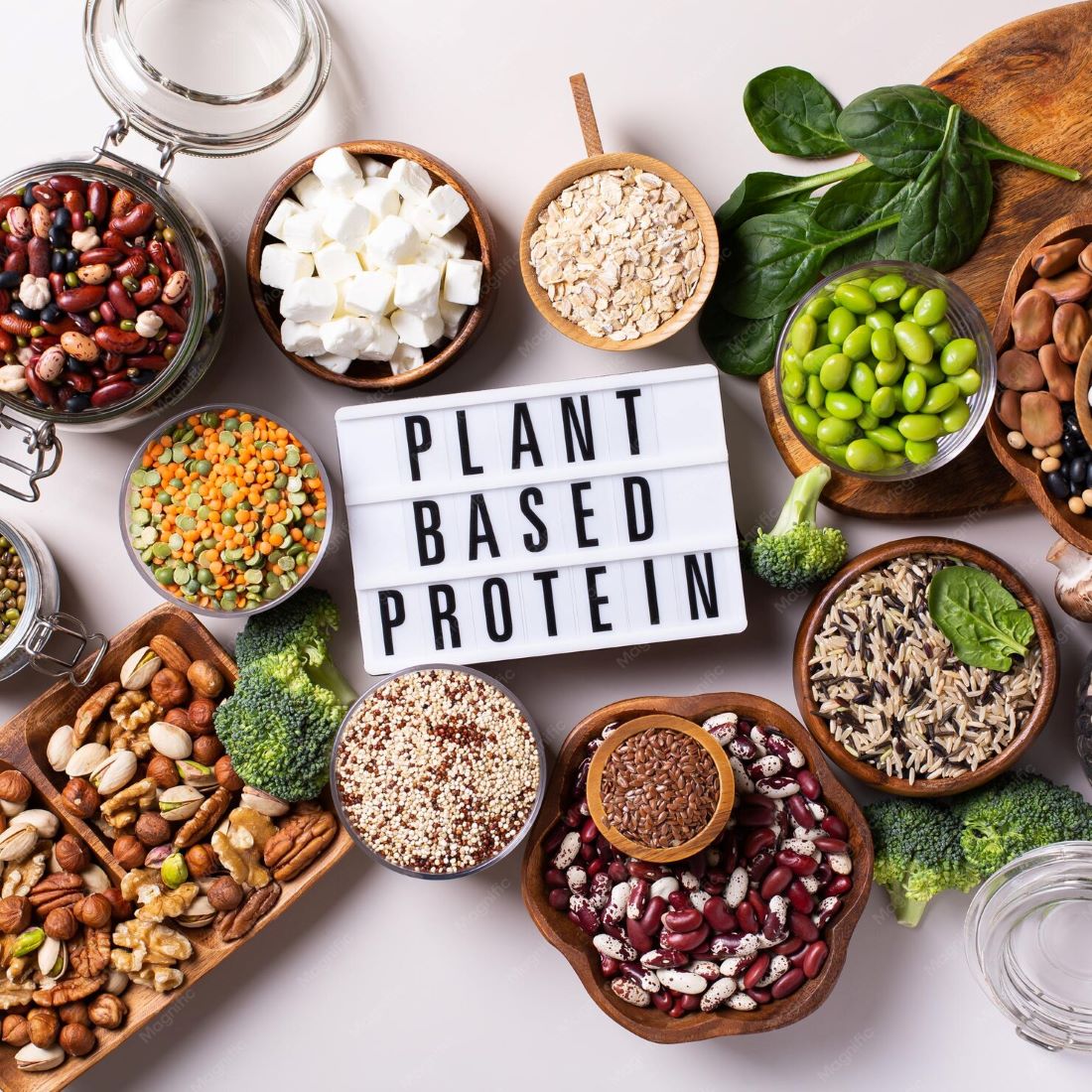
There are challenges. Vegan meals must be nutritious, not just meatless. A plate of fries or plain pasta is technically vegan, but it is not a complete meal. Students need protein, fiber, vitamins, and enough calories. Dining services should offer beans, lentils, tofu, soy milk, nuts, seeds, and whole grains.
Taste also matters. If vegan food is bland, students will not choose it. Good seasoning, global recipes, and student feedback can improve menus. Indian, Mexican, Middle Eastern, East Asian, Mediterranean, and African cuisines all offer strong plant-based inspiration.
Vegan campus dining is about more than food. It represents a generation that wants choices aligned with values. As these students graduate, they carry expectations into workplaces, restaurants, and families.
College campuses can help normalize vegan eating by making it easy, affordable, and delicious.