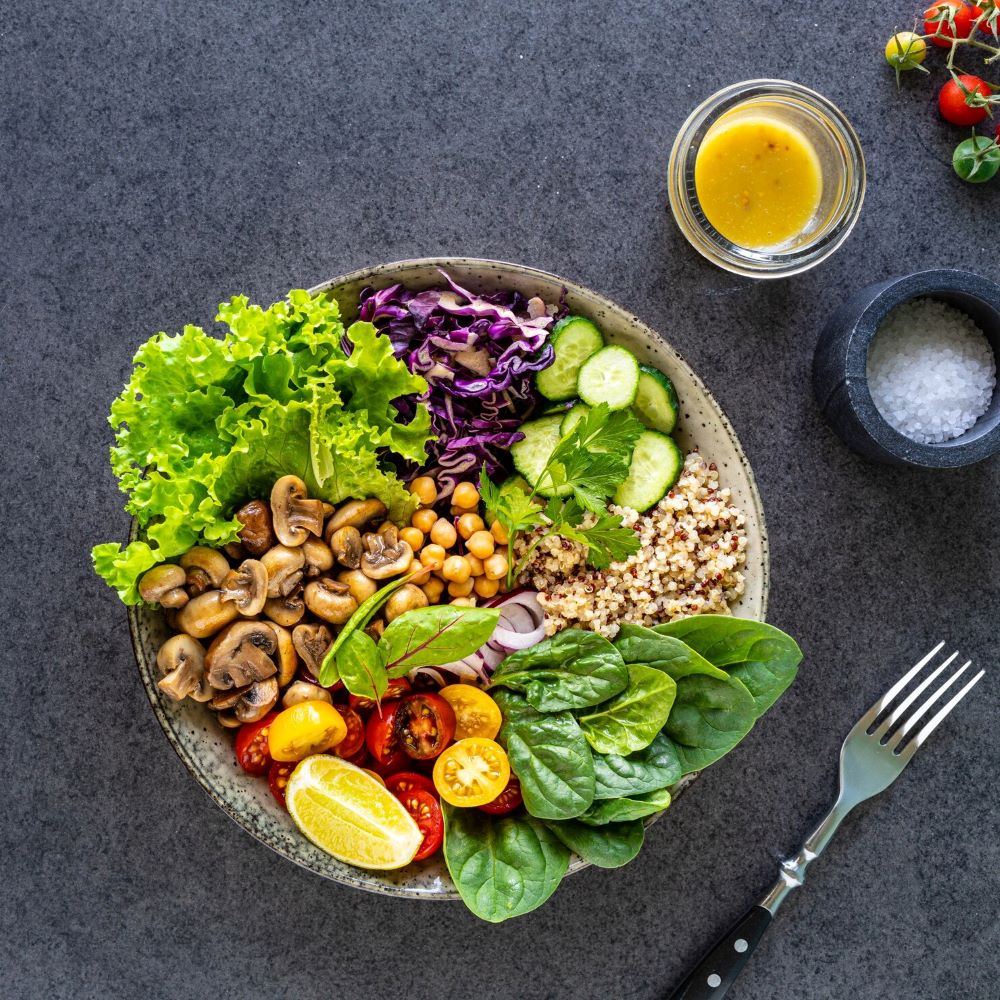
Health is one of the main reasons many Americans try vegan or plant-based eating. A well-planned vegan diet can include fruits, vegetables, beans, lentils, whole grains, nuts, seeds, and plant proteins. These foods can support heart health, digestion, weight management, and overall wellness when eaten in a balanced way.
However, vegan does not automatically mean healthy. A person can eat vegan cookies, fries, soda, and highly processed snacks and still have a poor diet. The key is quality. Whole plant foods usually provide more fiber, vitamins, minerals, and antioxidants than heavily processed products.
Protein is a common concern, but many vegan foods provide it. Lentils, tofu, tempeh, beans, chickpeas, soy milk, quinoa, peanuts, almonds, pumpkin seeds, and pea protein products can all help. Vitamin B12 is especially important because it is not naturally found in most plant foods, so many vegans use fortified foods or supplements. Iron, calcium, omega-3 fats, vitamin D, and iodine also need attention.
In America, doctors, dietitians, athletes, and influencers are all part of the plant-based health discussion. Some promote vegan diets strongly, while others recommend a flexible approach. The best choice depends on a person’s health needs, budget, culture, and lifestyle.
For beginners, the easiest path is not perfection. It may start with one plant-based breakfast, a meatless Monday, or switching dairy milk for oat or soy milk. Small changes can lead to lasting habits.
Vegan eating can be healthy, but it should be planned. The goal is not only to avoid animal products. The goal is to build a diet that nourishes the body.