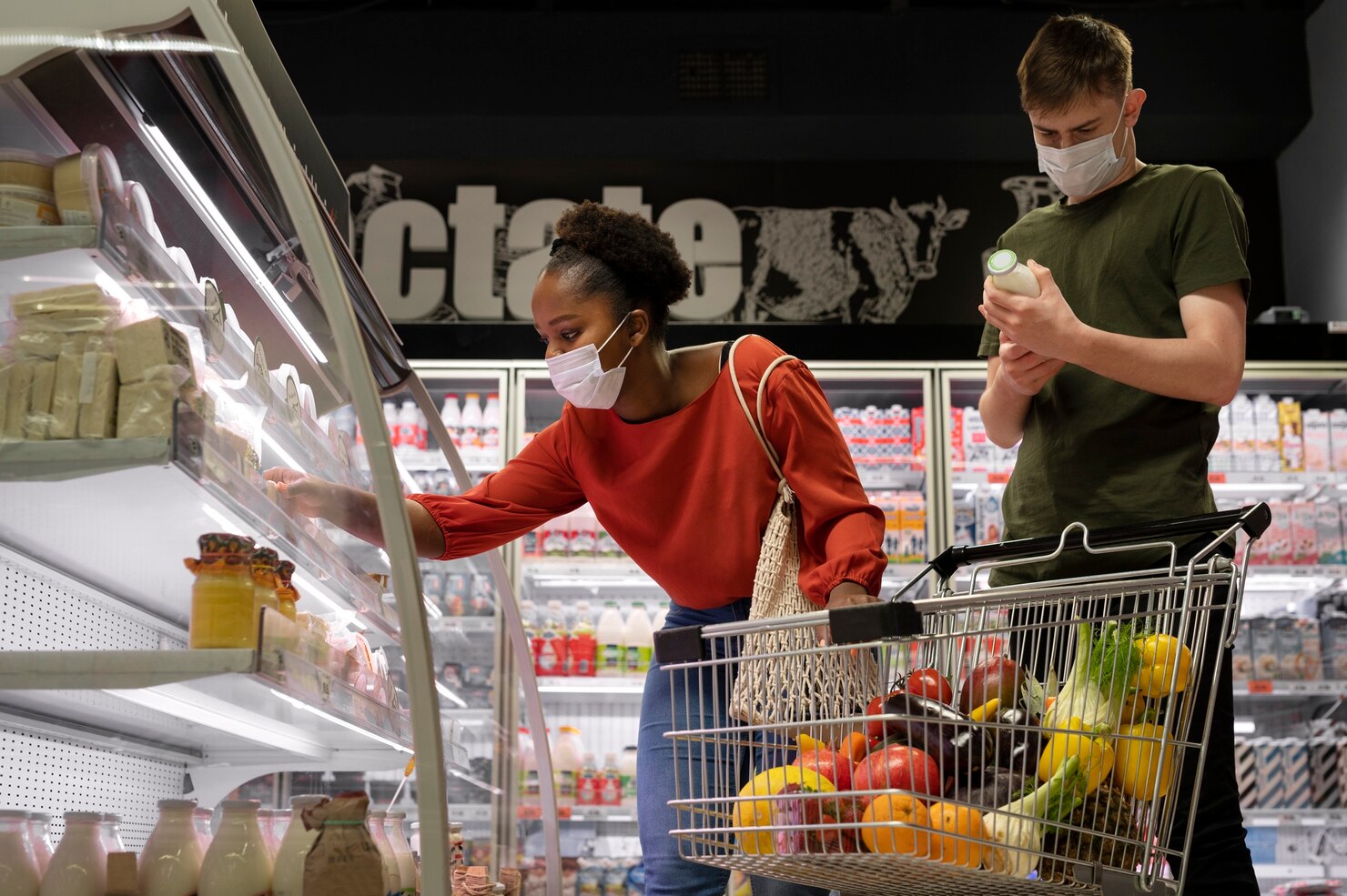
Food prices are one of the most personal economic issues in America. People may not read economic reports every day, but they notice when eggs, milk, bread, meat, fruit, vegetables, and snacks cost more. The grocery store is where many families feel inflation most directly.
Several factors can affect food prices. Fuel costs influence transportation. Weather affects crops. Labor shortages can raise production costs. Global conflicts can disrupt supply chains. Disease outbreaks among animals can reduce supply. Store rent, packaging, and energy costs also matter.
For families on tight budgets, higher food prices create difficult choices. Some people buy cheaper brands, reduce fresh produce, visit discount stores, use coupons, or eat out less. Others may depend more on food banks or school meal programs.
Food prices also affect health. Healthy food can already be expensive in some communities. If fruits, vegetables, whole grains, and lean proteins become harder to afford, families may choose cheaper processed foods. This can increase long-term health problems.
Politicians often promise to lower grocery costs, but the food system is complex. No single policy can control every price. However, governments can support food assistance programs, improve competition, reduce supply chain problems, and invest in farming resilience.
Consumers can also respond by planning meals, reducing waste, buying seasonal foods, cooking at home, and using affordable staples like beans, rice, potatoes, oats, lentils, and frozen vegetables.
The grocery store is not just a place to shop. It is a mirror of the economy. When food prices rise, Americans feel it immediately. Affordability will remain a major current-affairs issue because food is not optional. Every family needs it every day.