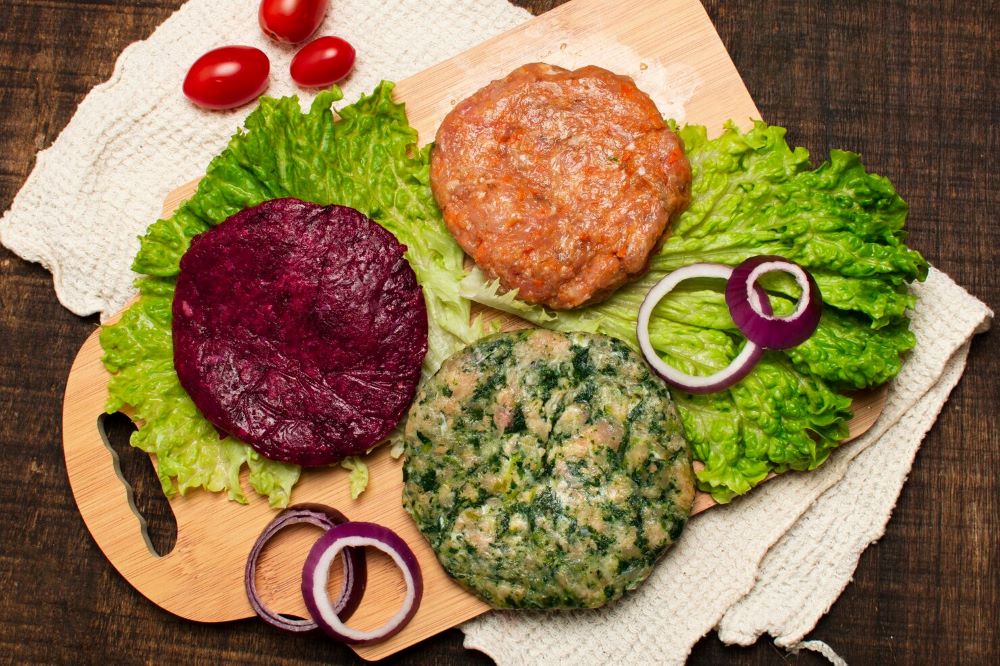
Plant-based meat became one of the biggest food stories in America during the last decade. Burgers, sausages, nuggets, grounds, and seafood alternatives entered supermarkets and fast-food menus. The idea was simple: give people the taste and texture of meat without using animals.
At first, excitement was very high. Investors supported new brands, restaurants tested products, and consumers were curious. But the market has also faced challenges. Some shoppers say plant-based meat is too expensive. Others dislike the taste, texture, or long ingredient lists. Some people also question whether these products are truly healthier than traditional meat.
This does not mean plant-based meat has failed. It means the industry is entering a more serious phase. Early hype is being replaced by a need for better products. Companies must focus on taste, nutrition, price, and trust. If a plant-based burger costs too much and does not taste good, customers will not buy it again.
The strongest opportunity may be with flexitarians, not strict vegans. Many Americans are not ready to give up meat completely, but they are willing to reduce it. For them, plant-based meat can be an occasional choice, especially if it is convenient and satisfying.
Innovation is also moving beyond imitation meat. Brands are exploring mushroom protein, chickpeas, fava beans, lentils, hybrid products, and cleaner ingredient lists. The future may include plant-based foods that are less processed and more familiar. Plant-based meat still has a place in the American market. But to grow, it must move from novelty to everyday value.