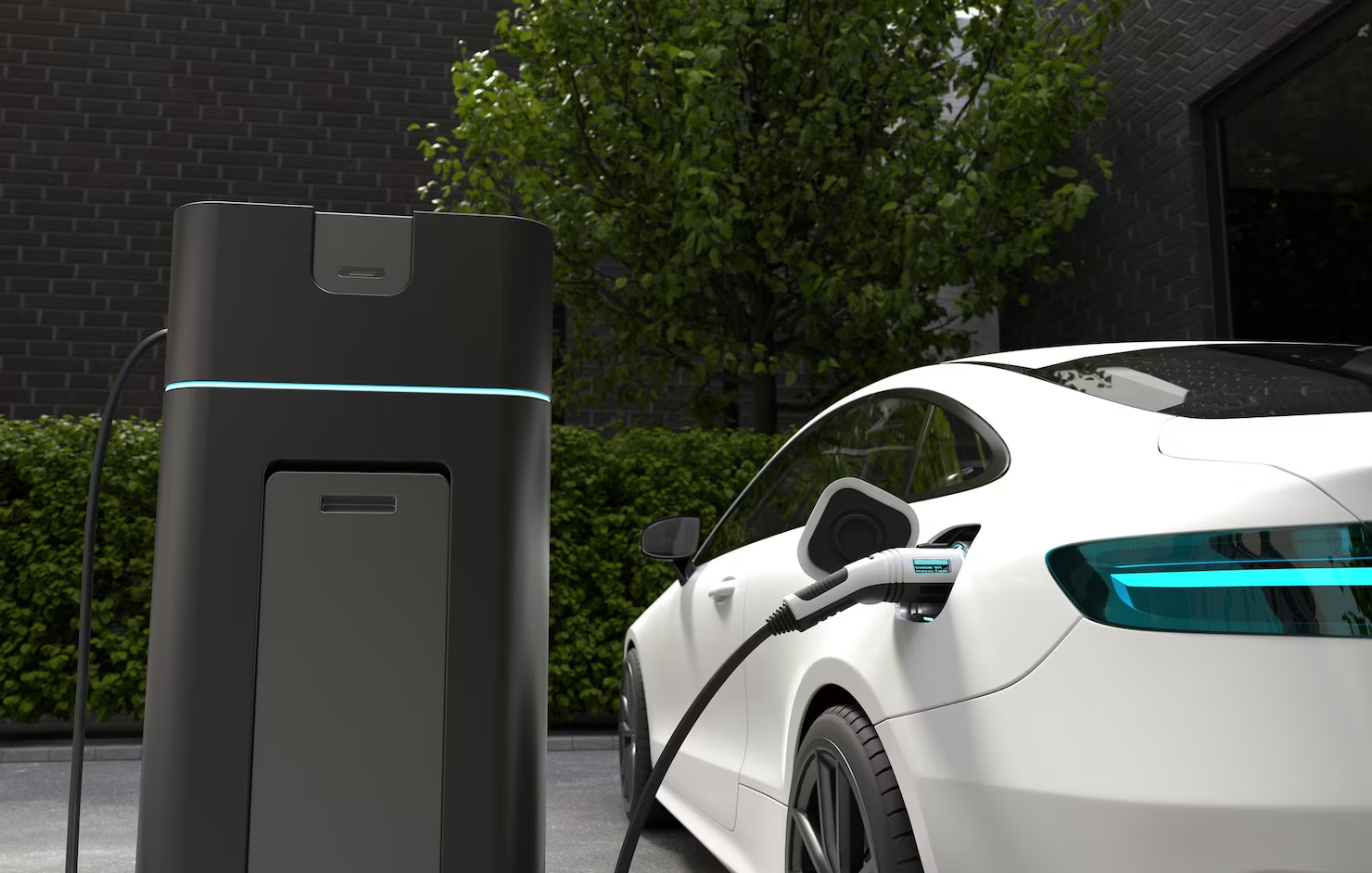
Electric vehicles are changing the future of transportation in America. More drivers are considering EVs because of fuel savings, environmental concerns, new technology, and government incentives. Automakers are investing heavily in electric cars, trucks, and charging systems.
Supporters of electric vehicles say they can reduce pollution, lower long-term driving costs, and make America less dependent on gasoline. EVs also offer quick acceleration, quiet driving, and fewer moving parts than traditional gas-powered vehicles.
However, many Americans still have concerns. EV prices can be high, although more affordable models are entering the market. Charging access is another major issue. People who live in houses with garages may charge easily at home, but apartment renters and rural drivers may struggle.
Road trips also require planning. Charging stations are improving, but they are not yet as common as gas stations in many areas. Drivers want fast, reliable chargers before they fully trust electric travel.
The electric vehicle debate is also political. Some people see EVs as a necessary step toward a cleaner future. Others worry that government rules may push consumers too quickly or hurt workers in traditional auto industries.
Battery production raises environmental and labor questions too. Mining for minerals, battery recycling, and supply chains must be managed responsibly.
The future of American roads may not be fully electric overnight. Gas cars, hybrids, plug-in hybrids, and EVs may share the road for many years. The transition will depend on price, charging access, technology, and consumer trust.
Electric vehicles are not just cars. They are part of a larger shift in energy, manufacturing, climate policy, and American lifestyle. The road ahead will be electric, but the speed of change will depend on how practical EVs become for ordinary drivers.