Protein is one of the biggest food topics in America, especially among people interested in fitness, weight training, sports, and healthy aging. Many people still believe that protein must come from meat, eggs, or dairy. But plant-based protein is becoming more accepted as vegan and flexitarian diets grow.
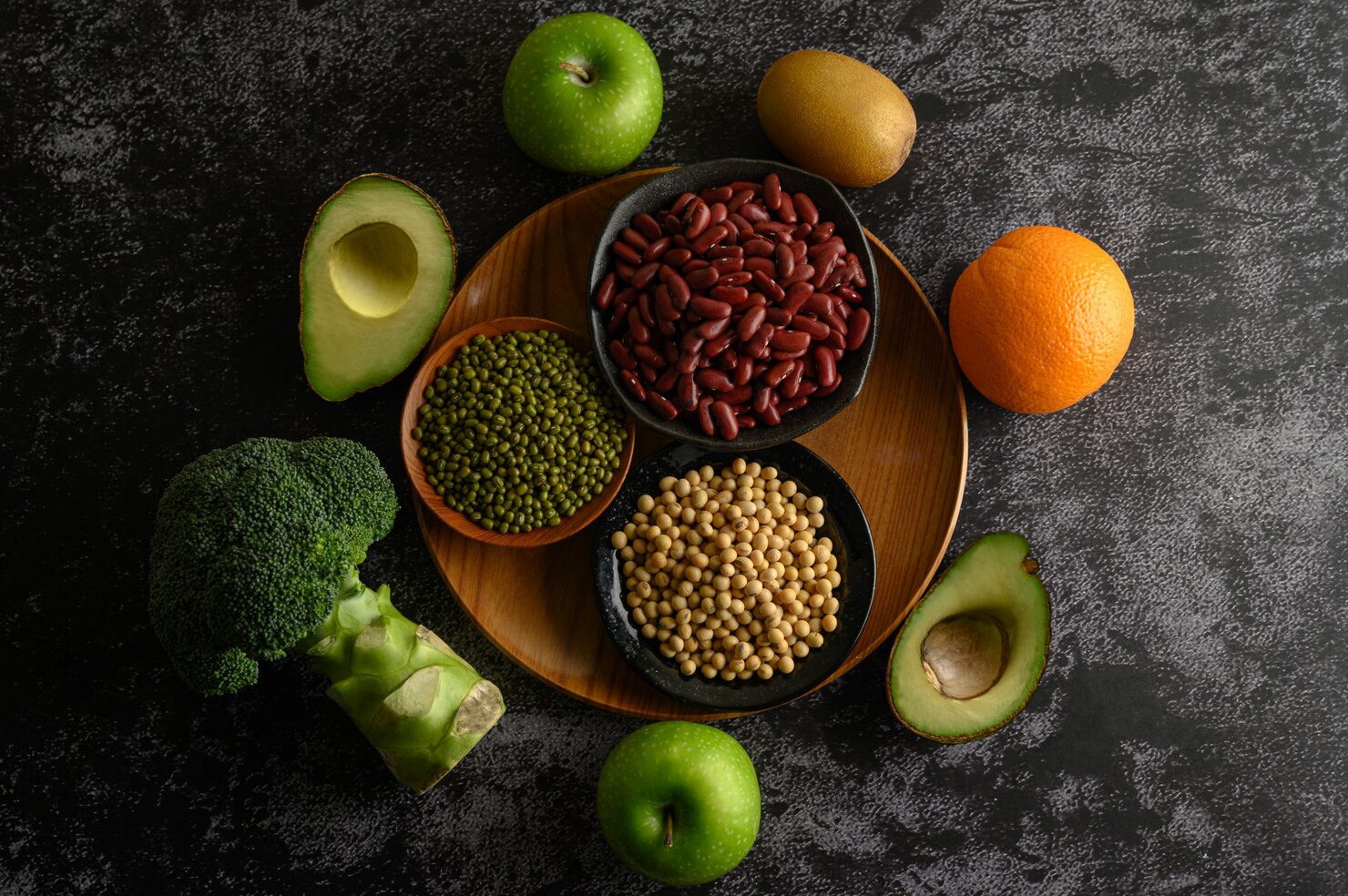
Common plant-based protein sources include tofu, tempeh, lentils, beans, chickpeas, edamame, soy milk, quinoa, peanuts, almonds, pumpkin seeds, seitan, and pea protein powders. These foods can support active lifestyles when eaten in the right amounts.
Athletes and gym-goers often care about muscle recovery and strength. A vegan diet can support these goals, but planning matters. People need enough total calories, enough protein, and a variety of foods. Soy products are especially useful because they provide high-quality protein. Legumes and grains can also work well together.
Plant-based protein products have improved in taste and convenience. Protein bars, shakes, powders, vegan yogurts, and meat alternatives are now available in many supermarkets. However, not all products are equally healthy. Some are high in sugar, sodium, or additives. Reading labels is important.
The fitness trend has helped vegan food move beyond old stereotypes. Vegan eating is no longer seen only as light salads. It can include hearty bowls, protein smoothies, tofu scrambles, bean burritos, lentil pasta, and high-protein snacks.
For Americans trying to eat more plant-based, the goal does not have to be extreme. Replacing a few animal-based meals with plant-based protein can be a strong start.
Plant protein is not just for vegans. It is becoming part of mainstream nutrition because people want food that supports health, performance, and sustainability.